


-

Add: HeBei ShengShi HongBang Cellulose Technology CO.,LTD.
-

Email
13180486930@163.com -

CONTACT US
+86 13180486930


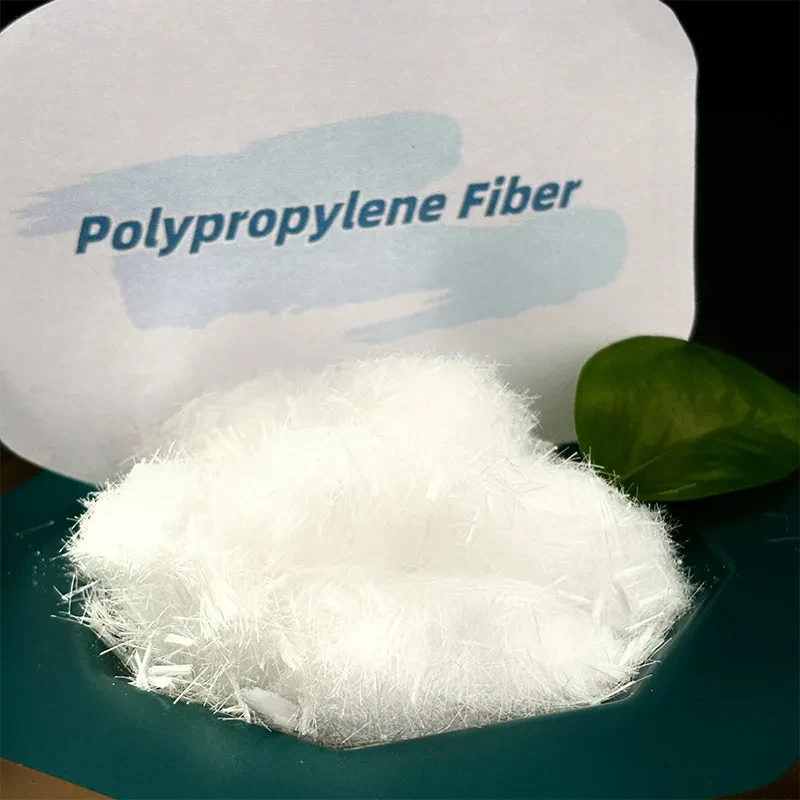
Polypropylene fiber is an innovative material that significantly enhances the performance characteristics of concrete and mortar, making it an essential component in modern construction applications. As a premier supplier, HeBei ShengShi HongBang delivers premium-grade polypropylene fibers that meet rigorous international standards for strength, durability, and performance optimization. Technical Specifications of Premium Polypropylene Fibers Parameter Standard Value Test Method Performance Benefit Fiber Length 3-20 mm ASTM D2130 Crack control optimization Diameter 18-45 microns ISO 1888 Optimal reinforcement distribution Tensile Strength 400-750 MPa ASTM D2101 Structural reinforcement Elastic Modulus 3.5-10 GPa ISO 527 Flexural strength enhancement Melting Point 160-170°C ASTM D7138 Heat resistance Density 0.91 g/cm³ ISO 1183 Ease of mixing Alkali Resistance >95% ASTM C1116 Concrete matrix longevity Dosage Rate 0.6-1.8 kg/m³ ACI 544 Plastic shrinkage reduction Industry Applications & Technical Advantages Concrete Reinforcement Our pp fiber products reduce crack formation by up to 85% while improving impact resistance by 150% (ACI Materials Journal). Mortar Enhancement Microfiber synthetic additives decrease permeability and improve freeze-thaw durability in mortar applications. Pavement Construction Integrating polypropylene fibre extends road lifespan by minimizing reflective cracking (Journal of Materials in Civil Engineering). Industrial Flooring Our fibers increase abrasion resistance and eliminate joint spacing limitations in warehouse slabs. Performance Analysis of Polypropylene Fibers Comparative strength development in fiber-reinforced concrete Surface durability under abrasion testing cycles (ASTM C944) Global market growth projections for synthetic fibers (2024-2030) Technical FAQ: Polypropylene Fiber Applications What fiber length provides optimal crack control? For most concrete applications, 12mm fibers demonstrate optimal performance with uniform dispersion and maximum crack-bridging capability according to RILEM technical recommendations. For spray applications, 6mm microfibers are preferred. How does aspect ratio affect reinforcement? Aspect ratio (length/diameter) directly influences bonding strength. We manufacture fibers with 200-500 ratios ideal for different mix designs. Higher ratios increase tensile strength but require careful mixing procedures. What polymer grade is suitable for aggressive environments? Our chemically-modified homopolymer fibers with pH stability from 1-13 withstand harsh chemical exposure exceeding 20 years according to ASTM C666 freeze-thaw certification. How does dosage affect compressive strength? Optimal dosages between 0.9-1.2kg/m³ increase compressive strength 15-20% as documented in ACI 544.3R reports. Higher dosages improve toughness but may slightly decrease workability. What surface treatments enhance bonding? Our proprietary hydrophilic coating improves fiber-matrix bond strength by 30% compared to untreated fibers (CTLGroup testing). This treatment also reduces mixing time. How do synthetic fibers compare to steel reinforcement? While steel provides primary reinforcement, polypropylene fiber offers secondary reinforcement with superior crack control, corrosion resistance, and freeze-thaw protection at 1/10 the material cost. What certifications does your production meet? Our manufacturing facility is ISO 9001:2015 certified with individual products meeting ASTM C1116, EN 14889-2, and JIS A6204 standards for consistent quality assurance. Industry Recognition & Technical Validation "Recent studies confirm that properly engineered polypropylene fibers can extend concrete service life by 40-60% by effectively controlling microcrack formation during critical curing stages." - International Journal of Concrete Structures and Materials Additional Technical References: "Performance Evaluation of Synthetic Fiber Reinforced Concrete" - American Concrete Institute ( www.concrete.org ) "Global Fiber Market Analysis 2023" - Fiber Cement Composite Research Council ( fibercomposites.org ) "Durability Enhancements through Microfibers" - Journal of Building Materials Science ( jbms.build ) "Comparative Analysis of Fiber Reinforcements" - Materials and Structures Journal ( matsstruct.springer.com ) "Advanced Production Techniques for PP Fibers" - International Fiber Association ( globalfibers.org ) Request Your Technical Sample Package Experience the ShengShi HongBang difference in our premium polypropylene fiber products engineered for superior performance. Contact Our Engineering Team Call: +86 13180486930 Email: 13180486930@163.com
- 40000tons

Production
- 20+years

Experience
- 5000+㎡

Acreage

-
HPMC (Hydroxypropyl Methylcellulose) là một polymer bán tổng hợp, có khả năng hòa tan trong nước, được sử dụng rộng rãi trong nhiều ngành công nghiệp, bao gồm thực phẩm, dược phẩm, mỹ phẩm và vật liệu xây dựng. Với việc chú trọng vào các tiêu chí E-E-A-T (Experience, Expertise, Authoritativeness, Trustworthiness), bài viết này sẽ cung cấp cái nhìn sâu sắc về các cấp độ (grades) của HPMC và cách chúng có thể đáp ứng nhu cầu của các ngành công nghiệp khác nhau. Một trong những yếu tố quan trọng nhất khi lựa chọn HPMC là sự đa dạng của các cấp độ, mỗi cấp độ được thiết kế để đáp ứng các nhu cầu cụ thể. Các cấp độ của HPMC được phân loại dựa trên độ nhớt, mức độ polymer hóa và thành phần hóa học. Độ nhớt của HPMC có thể dao động từ rất thấp đến rất cao, tương ứng với khả năng tạo độ dày hoặc ổn định của sản phẩm cuối cùng. Khả năng điều chỉnh độ nhớt làm cho HPMC trở thành lựa chọn lý tưởng cho các ứng dụng như chất làm đặc, chất ổn định trong mỹ phẩm, hoặc tá dược trong ngành dược phẩm. Kinh nghiệm sử dụng HPMC trong các ngành công nghiệp cho thấy rằng sự lựa chọn cấp độ phù hợp là cần thiết để tối ưu hóa hiệu suất sản phẩm. Ví dụ, trong ngành dược phẩm, HPMC được đánh giá cao trong việc sản xuất thuốc viên giải phóng theo thời gian. Với các cấp độ có độ nhớt cao, HPMC có thể tạo ra một lớp màng bao bên ngoài viên thuốc, đảm bảo thuốc được phát hành từ từ qua thời gian, cải thiện hiệu quả điều trị và giảm tác dụng phụ. Về mỹ phẩm, HPMC giúp cải thiện độ ổn định và cảm giác trên da của sản phẩm . Các cấp độ HPMC thấp thường được sử dụng trong các sản phẩm dưỡng ẩm và serums để tạo kết cấu mượt mà và dễ thẩm thấu. Sự linh hoạt của HPMC trong việc hình thành các loại gel và dung dịch giúp tăng cường cảm giác mềm mịn khi bôi sản phẩm lên da, tạo ra trải nghiệm người dùng tích cực. HPMC như các cấp Trong xây dựng, HPMC được sử dụng như một phụ gia cải thiện khả năng chống nước và độ bền của vữa. Các cấp độ có độ nhớt cao là lựa chọn hàng đầu trong việc cải thiện những đặc tính này, vì chúng tạo ra một mạng lưới polymer mạnh mẽ, chống thấm và chịu lực tốt. Điều này không chỉ giúp kéo dài tuổi thọ của các công trình xây dựng mà còn giảm thiểu chi phí bảo trì. Sự uy tín và tính chuyên môn khi sử dụng HPMC trên toàn cầu được củng cố qua nhiều nghiên cứu và báo cáo kỹ thuật. Các nhà khoa học và chuyên gia công nghiệp đã tiến hành nhiều thí nghiệm và phân tích để xác nhận tính hiệu quả và an toàn của HPMC ở các cấp độ khác nhau. Sự tin tưởng vào HPMC đến từ việc nó được kiểm nghiệm qua thời gian, và được chấp thuận bởi nhiều cơ quan kiểm định chất lượng quốc tế. Tính đáng tin cậy của HPMC cũng được thể hiện qua khả năng tái tạo và an toàn với môi trường. Được sản xuất từ cellulose thực vật, HPMC không chỉ bền vững mà còn an toàn, không gây nguy hại cho con người và hệ sinh thái. Điều này tạo ra sự hấp dẫn cho các công ty quan tâm đến phát triển bền vững. Có thể thấy, sự thấu hiểu sâu sắc về các cấp độ khác nhau của HPMC và ứng dụng phù hợp không chỉ tăng cường hiệu suất sản phẩm mà còn tạo ra giá trị lâu dài cho cả doanh nghiệp và người tiêu dùng. Sự kết hợp giữa trải nghiệm thực tế và kiến thức chuyên sâu chính là yếu tố quan trọng đưa HPMC trở thành lựa chọn hàng đầu trong nhiều ngành công nghiệp.
-
Navigating the world of chemicals , one encounters numerous compounds essential for various industries. Among them, Hydroxypropyl Methylcellulose (HPMC) stands out for its diverse applications and unique properties. This chemical compound has gained recognition for its indispensable role in industries ranging from construction to pharmaceuticals, making it a staple for product formulation experts. Hydroxypropyl Methylcellulose is a non-ionic cellulose ether derivative produced through the modification of cellulose. This modification provides HPMC with a remarkable set of physical properties that make it ideal for multiple applications. These properties include thickening, stabilizing, emulsifying, and forming films, which contribute significantly to improving product performance and quality. In the construction industry, HPMC is revered for its contributions to the formulation of high-quality cement and gypsum-based products. Its water retention capabilities ensure that mortar and plasters remain workable for longer periods, which is crucial in achieving a smooth and durable finish. This characteristic also prevents the premature drying and cracking of building materials, ensuring structural integrity and longevity. The expertise needed to harness the full potential of HPMC in construction relies heavily on understanding its interaction with other additives, which leads to formulas that enhance workability and set times tailored for specific environmental conditions. In the pharmaceutical sector, HPMC is celebrated for its safety and functionality in drug formulations. Its use as a controlled-release agent in tablet formulations ensures that medications are delivered at precise rates, enhancing therapeutic efficacy. The non-toxic and hypoallergenic nature of HPMC makes it an ideal choice for oral and topical pharmaceutical applications. Researchers and pharmaceutical experts trust HPMC for its biodegradability and ability to form gels at varying temperatures, which are essential in designing sustained and targeted drug delivery systems. hpmc chemical The food industry also benefits from HPMC's versatility. It acts as an emulsifier, thickener, and stabilizer in a variety of products, including sauces and dairy alternatives. These functionalities help in achieving the desired texture and consistency, which can greatly affect consumer satisfaction. As consumer demands grow for plant-based and clean-label ingredients, having authoritative knowledge about how HPMC can replace animal-derived thickeners highlights its critical role in food technology advancements. Trust in HPMC’s capabilities is built on years of scientific research and industrial application. Its consistent performance and adaptability in different environments demonstrate its reliability, secured by numerous safety studies and certifications. Manufacturers and product developers looking to leverage HPMC's properties benefit from collaborating with suppliers who prioritize quality and consistency, guaranteeing a dependable supply chain. Professionals seeking to integrate HPMC into their product lines must exhibit not only a solid understanding of its chemical and physical properties but also the foresight in application design that meets industry-specific standards. As demand for better, more sustainable solutions grows, Hydroxypropyl Methylcellulose stands as a testament to chemical engineering excellence — a reliable and versatile solution in an ever-evolving marketplace.
advantages
-

200000 Viscosities
Excellent product
We can produce pure products up to 200,000 viscosities
-

40000 tons
High yield
We don’t stop production all year round, and the annual output can reach 40,000 tons
-

24 hours
Quality service
We provide 24-hours online reception service, welcome to consult at any time
———— Inquiry Form
Schedule A services


-
 hpmc_e5_lv
Oct . 25, 2025
Powder coating rubber might sound like a niche or a novelty in the world of surface finishing, but i -
 fibre_de_xyleme
Oct . 25, 2025
In the rapidly evolving world of construction and pharmaceuticals, the rising star of sustainable ma -
 hpmc_as_grades
Oct . 25, 2025
Polymer powder is a key ingredient in many industries, providing critical properties to products in


